
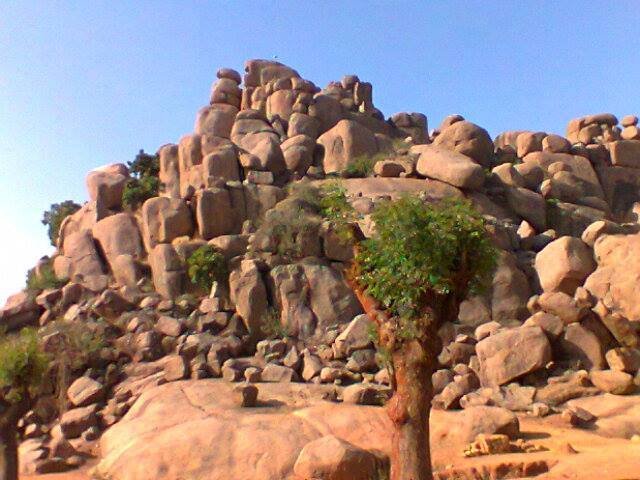
TSANGAYA is a small but culturally rich village in Albasu Local Government Area of Kano State. The town is about 100 kilometres from the ancient city of Kano, the state capital
Despite its modest population, the village is deeply rooted in tradition and history. The villagers, primarily farmers, have relied on the land for centuries to sustain their livelihoods
The people of Tsangaya believe their village of Kano, with origins racing hack thousands of years. According to oral tradition, the inhabitants are descendants of Pharaoh Barkum of Egypt. Who led an expedition to the sub-Saharan region. It was learnt that Pharaoh Barkum led a group of people to settle in the present-day Tsangaya Village.
Historical context and significance
This fascinating connection to Ancient Egypt, not merely a folk tale, certain Arabic historical texts, including WarqaMaktuba fi waqi’ awangariyya and ‘Al’eelalufittarihiKano’ make references to Pharaoh Barkum’s journey.
These texts suggest that this migration round 1700BC., linking Tsangaya to a broader historical narrative. The village’s rich cultural heritage adds to its historical significance within the region. For people of Tsangaya, this history is not just a source of pride but also a way to maintain a strong sense of identity.
The belief in their ancient Egyptian lineage set Tsangaya apart from other villages in Kano, providing a deeper cultural and historical backdrop to their traditions.
Taushen Fagge: A festival of thanks
One of Tsangaya’s most remarkable cultural practices is the Taushen Fagge festival, celebrated annually at the end of the rainy season after the harvest.
The festival, which has been practised for over 3,000 years, serves as a way for the villagers to give thanks for a successful harvest. This tradition remains deeply embedded in the community’s cultural fabric. During Taushen Fagge, villagers come together to celebrate with music, dance, and food.
The festival is not just a communal event but also a connection to the past, as it represents a continuity of ancient customs passed down through generations.
This celebration helps reinforce Tsangaya’s unique identity, blending history with the rhythms of everyday life.
The mystique of Taushen Fagge
Uncertainty and excitement are what makes Taushen Fagge unique. In fact, it has no declared date and no official declaration is made. Instead, rumours circulate throughout the village about the festival date, creating an air of mystery and excitement. Even when a date is rumoured, it might change. Eventually, the entire village adjusts and anticipates the celebration.
The festival traditionally takes place on a Monday, and the preceding Sunday, known as “Taushen Fagge Sunday,” is a day of preparation, villagers, particularly the young, head to markets to buy food and essentials, with chickens being the most prized item; young boys and girls ensure they have a chicken to slaughter and share during the festival
The role of tradition in Taushen Fagge
Another significant aspect of Taushen Fagge is the practice of giving Taushen Fagge money, young women collect this money from their suitors before the festival.
The amount of money a young woman receives depends on her relationship status, with engaged women receiving a higher sum. This tradition, though playful, holds deeper social significance, reflecting bonds between families and reinforcing community ties.
On the festival day, the meals prepared by the young women are gathered and shared in public spaces. After the communal meal, the group ascends a nearby hill in a symbolic display of strength and unity.
The act of climbing the hill, known as “Tutarkwanya,” is a tradition that has been passed down through the generations.
Tourism during Taushen Fagge festival
Taushen Fagge holds great potential for tourism, both locally and internationally. As global interest in cultural and heritage tourism grows, events like Taushen Fagge offer visitors an authentic experience of Nigerian culture.
The festival’s unique rituals, traditional meals, and communal activities embody Nigeria’s rich cultural heritage, making it a powerful draw for tourists seeking immersive cultural experiences.
By promoting Taushen Fagge, Nigeria can diversify its tourism offerings, which often focus on wildlife or urban experiences.
The festival provides an opportunity to highlight the cultural richness of Northern Nigeria, which is often overlooked in favour of more popular tourist destinations.
The economic potential of cultural festivals
Cultural festivals like Taushen Fagge not only preserve traditions but also provide economic benefits to local communities.
By attracting tourists, the festival can generate income for villagers, particularly for those involved in the preparation and organization of the event.
This economic boost can help improve local infrastructure and provide new opportunities for the people of Tsangaya. As cultural tourism gains momentum, events like Taushen Fagge could become significant attractions for tourists.
Visitors would have the chance to experience the vibrant traditions of Northern Nigeria while contributing to the local economy. This could pave the way for further development and investment in the region.
The role of government and private sector in promoting Taushen Fagge
To fully realize Taushen Fagge’s potential, there needs to be co-ordinated efforts between the government, cultural organizations, and private investors. Proper documentation, research, and promotion of the festival are essential to attract tourists.
Marketing campaigns could highlight the unique aspects of the festival, drawing attention to its ancient origins and rich traditions.
With adequate support, Taushen Fagge could become a key event on Nigeria’s cultural tourism calendar, attracting visitors from all over the world.
This would not only boost the local economy but also promote Nigeria as a destination for cultural heritage tourism.
Taushen Fagge as a symbol of Nigerian heritage
In a world where many ancient traditions are being lost to modernization, Taushen Fagge stands as a symbol of resilience and cultural pride.
The people of Tsangaya have preserved their customs for thousands of years, passing them down from generation to generation.